Learn the real benefits of mouthwash, how oral pH and fluoride affect enamel, and how therapeutic rinses like CariFree CTx3 fit into a smarter oral-care routine.

September 11, 2026
The benefits of mouthwash depend far more on the formula than on the minty feeling it leaves behind. Some oral rinses are mainly cosmetic; others deliver fluoride or antimicrobial ingredients for a specific purpose. Brushing and flossing remove plaque mechanically, while a therapeutic mouthwash can add chemical support in areas a toothbrush does not directly contact. Oral rinse benefits also depend on your cavity risk, gum health, saliva, diet and existing dental work. The useful question is not simply, “Should I use mouthwash?” It is whether the rinse in your bathroom is matched to the problem you are actually trying to prevent.
Mouthwash is an add-on, not a replacement for brushing with fluoride toothpaste or cleaning between the teeth.
An adult oral-surface study found that teeth account for about one-fifth of the measured surface area of the mouth; the rest includes the tongue, palate, gingiva, cheeks and floor of the mouth. Research on adult oral surface area helps explain why a liquid can contact areas toothbrush bristles do not directly brush.
That does not mean brushing “cleans only 20% of your mouth.” A rinse can carry active ingredients over soft tissues and tooth surfaces, but it cannot scrub away plaque or replace floss.

Dental caries is a biofilm-mediated, sugar-driven disease. Bacteria in plaque metabolize fermentable carbohydrates and produce acids. When the local environment stays acidic long enough, enamel begins to lose mineral.
A pH around 5.0 to 5.5 is often used as a practical reference range for enamel demineralisation under typical caries conditions, but there is no single fixed critical pH for everyone. Calcium, phosphate, fluoride and saliva all change that balance.
Picture a sweetened coffee sipped over two hours near King Street, followed by a snack before lunch. Repeated exposures can create repeated acid challenges and give saliva less time to restore a more favourable environment. This is one reason the benefits of mouthwash depend on timing and formulation, not simply freshness.
Yes, but pH varies widely from product to product. Laboratory testing has found commercial rinses ranging from distinctly acidic to alkaline.
A low pH does not automatically mean a mouthwash will erode enamel. Titratable acidity, fluoride content, contact time, frequency of use and salivary buffering also matter. Alcohol content is separate; alcohol-free does not automatically mean neutral, and alcohol-containing does not automatically mean acidic.
For someone using a rinse every day, the benefits of mouthwash should be judged from the whole formulation and the clinical goal, not pH alone.
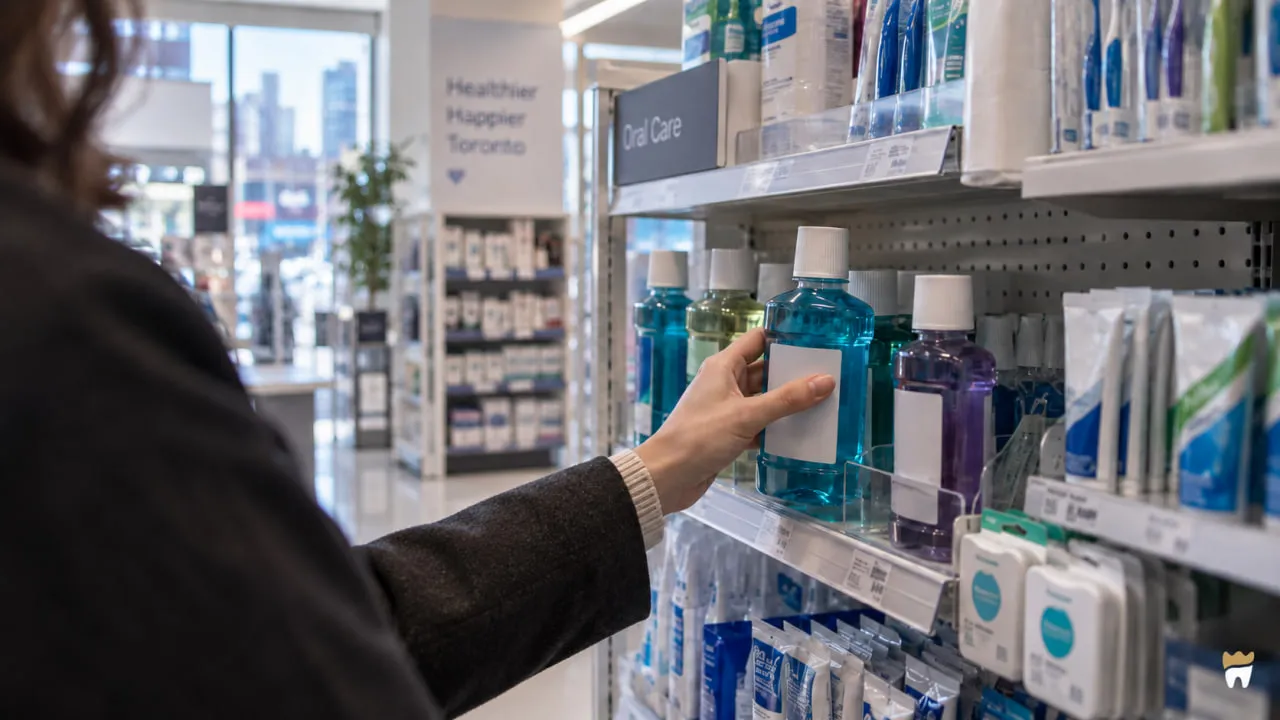
Cosmetic rinses mainly freshen breath or improve taste temporarily. Therapeutic rinses contain ingredients intended to address a defined oral-health goal, such as tooth decay, plaque, gingivitis or oral malodour.
This distinction is central to the benefits of mouthwash: the active ingredients and the reason for using them matter more than the flavour or burn.
CariFree CTx3 Maintenance Rinse is an anti-cavity fluoride rinse with an elevated-pH formulation. The manufacturer currently lists:
CariFree lists xylitol among the inactive ingredients, while sodium fluoride is the active anticavity ingredient. The Maintenance Rinse also lacks the sodium hypochlorite antibacterial component used in CariFree’s separate Treatment Rinse, so it should not be presented as an antimicrobial or gingivitis-treatment rinse. In this product, the benefits of mouthwash centre mainly on fluoride delivery and an elevated-pH formulation.
An elevated-pH formula does not add an acidic step to the routine. That is a formulation advantage, not proof that one rinse can permanently “rebalance” oral pH.
Oral bacteria do not ferment xylitol like sucrose. Xylitol has been studied in caries prevention, but results vary by dose and delivery method, so its presence alone is not a guarantee against cavities.
Fluoride helps reduce demineralisation and supports remineralisation of early enamel lesions, making the surface more resistant to future acid challenges.
People who dislike the burning sensation of certain rinses may prefer an alcohol-free formula. Alcohol-free does not automatically mean “better,” but comfort can make daily use easier.
A fluoride rinse may be useful around exposed roots and natural tooth structure next to crowns or other restorations. It does not protect an implant itself from decay or guarantee that a restoration will last longer.
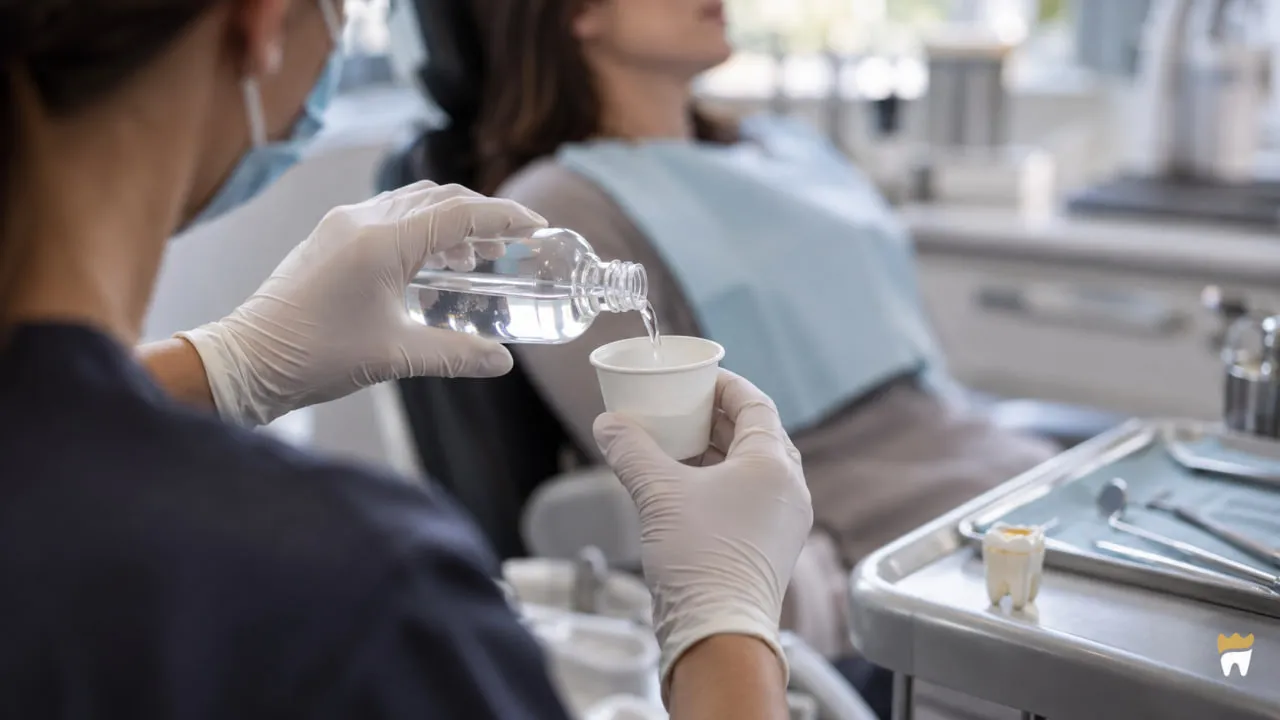
Fluoride rinse benefits tend to matter most when cavity risk is higher. A dentist or hygienist may consider one for people with:
For a low-risk adult already using fluoride toothpaste effectively, an additional rinse may offer less benefit. The benefits of mouthwash should be matched to the person, not the popularity of the product.
There is no single best mouthwash for gingivitis.
Gingivitis is driven by plaque biofilm at the gumline, so mechanical plaque removal still comes first. As an adjunct, rinses containing cetylpyridinium chloride or essential oils can help reduce plaque and gingival inflammation. Chlorhexidine can also be useful in selected situations, usually under professional direction because it can cause staining and taste changes.
CariFree CTx3 Maintenance Rinse is primarily an anti-cavity fluoride product, not a gingivitis treatment. Persistent bleeding, swelling or tenderness needs a dental assessment rather than a stronger mouthwash.
Do not assume that “after brushing” is always best.
After brushing with fluoride toothpaste, spit out the excess and avoid immediately rinsing it away. Public-health guidance commonly recommends using fluoride mouthwash at another time of day, such as after lunch, so the concentrated fluoride left by toothpaste is not washed off.
For CariFree Maintenance Rinse, the current manufacturer direction is simply to swish with 10 mL daily. To preserve the benefits of mouthwash, follow the label and personalised advice rather than applying one timing rule to every rinse.
For broader preventive needs, general dentistry in Toronto connects home care with exams, diagnosis and treatment planning.
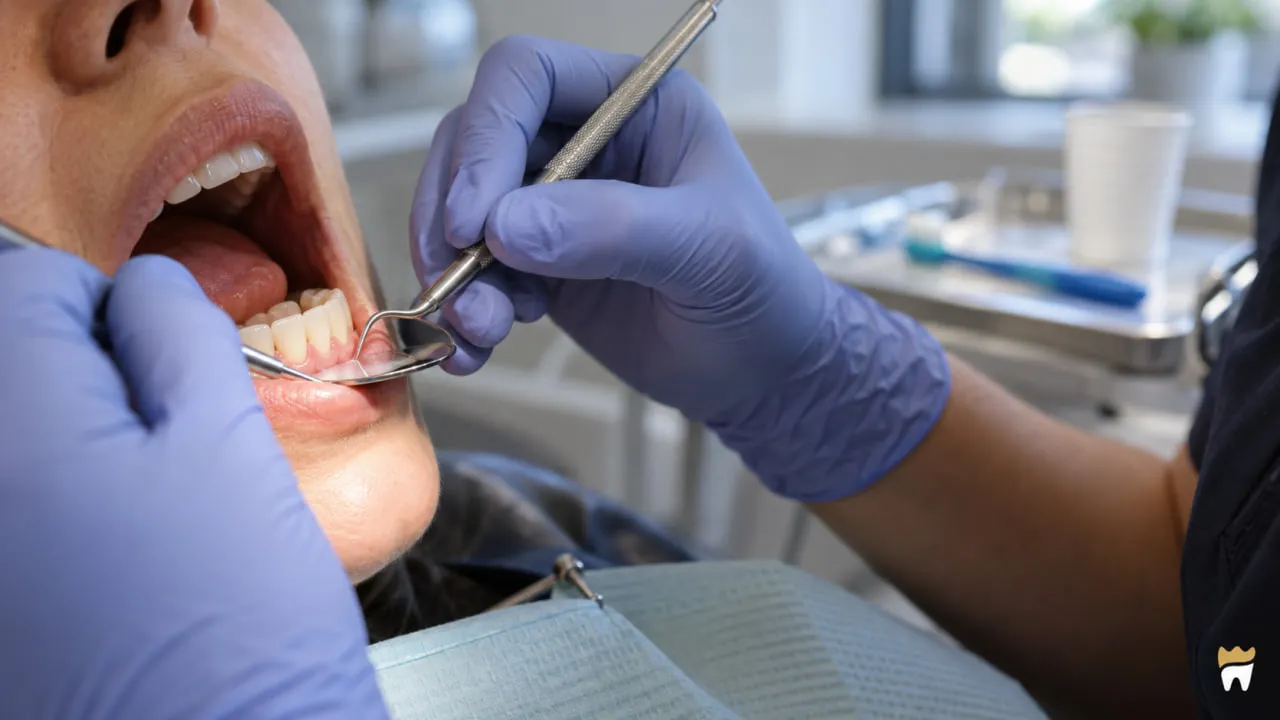
The benefits of mouthwash stop where hardened deposits begin. Once plaque mineralises into calculus, rinsing will not remove it. Gingival inflammation is driven mainly by plaque biofilm, while calculus creates a rough surface that makes plaque control harder.
That is why professional teeth cleaning in Downtown Toronto still matters. A hygienist can remove deposits you cannot clean away at home and help identify habits contributing to your risk.

At Dentistry on King, preventive advice can be tailored to decay history, gum health, saliva, diet and existing dental work rather than starting with a one-size-fits-all product.
New patients who book a Comprehensive New Patient Dental Exam receive a complimentary full-size bottle of CariFree CTx3 Maintenance Rinse, available while clinic supplies last. The clinic is at 5 King St East, Unit C, directly above TTC King Station at Yonge & King.
If you are looking for a dentist near King Station in Toronto and want to know whether a fluoride rinse belongs in your routine, book a comprehensive new patient exam or call 416-368-8000.
Can mouthwash replace flossing?
No. Mouthwash cannot physically disrupt plaque between teeth, so floss or interdental brushes still have a separate job.
Why does CariFree CTx3 feel different from traditional mouthwash?
It is alcohol-free and has an elevated pH, so its feel can differ from many conventional rinses. Individual comfort still varies.
Is a pH-balancing mouthwash safe for crowns and veneers?
Most properly used fluoride mouthrinses are generally compatible with common restorations, but pH alone does not determine material compatibility. Ask your dentist if you have specialised restorative work.
Do I need to use mouthwash every day?
Not everyone does. The benefits of mouthwash are greatest when the product targets a specific need, such as extra fluoride for higher cavity risk or an antimicrobial active for plaque and gingivitis.
Can I use mouthwash immediately after brushing?
It is usually better not to rinse away fluoride left by toothpaste. Use mouthwash at another time unless your dentist or the product instructions advise otherwise.
Is alcohol-free mouthwash better?
Not universally. Some people find alcohol-free formulas more comfortable, but therapeutic value depends mainly on the active ingredients and the problem being treated.
Does fluoride mouthwash strengthen enamel?
Fluoride helps reduce mineral loss and supports remineralisation of early enamel changes. It cannot repair a cavity that already needs restorative treatment.
What pH should mouthwash have?
There is no single ideal number. pH is only one factor; fluoride, titratable acidity, frequency of use and your own erosion or cavity risk also matter.
Can mouthwash cause dry mouth?
Some people report irritation or dryness with certain formulas, but alcohol-containing mouthwash does not automatically reduce salivary flow. Persistent dry mouth should be assessed because it can raise cavity risk.
Can children use CariFree CTx3 Maintenance Rinse?
The manufacturer recommends it for ages 6 and older. Children should be able to rinse and spit reliably, and a dentist can advise whether it is appropriate for their cavity risk.
.svg)