Discover how dental bonding works, when composite resin is suitable, and what to expect regarding treatment options, benefits, costs, durability, and aftercare.

November 15, 2026
A small chip, gap, or uneven edge does not always call for a veneer or crown, and dental bonding with tooth-colored composite resin can be a conservative way to repair selected flaws. It is not automatically the right choice, though. The same resin that neatly rebuilds a chipped corner may be less suitable on a tooth exposed to heavy biting or grinding forces, and bonded material will not whiten along with natural enamel later. Whether composite bonding makes sense comes down to the condition of the tooth, how your teeth meet, how much needs rebuilding, and what you want the finished tooth to look like.
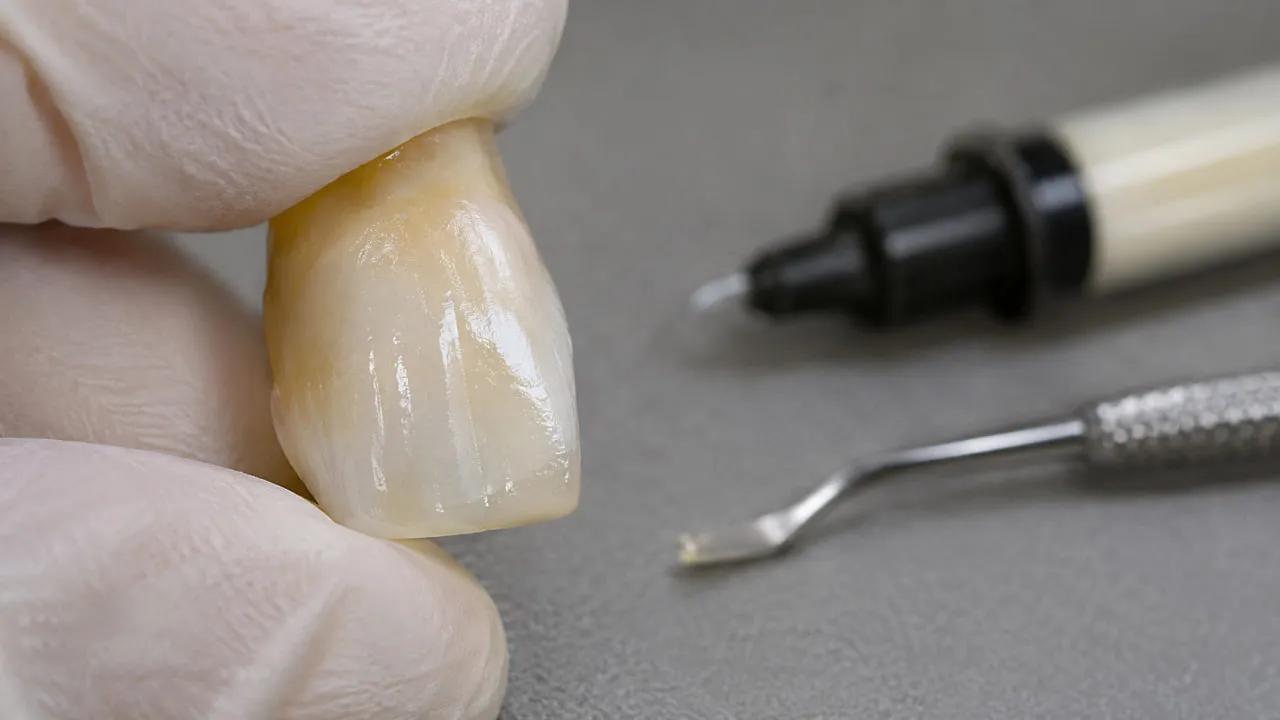
Dental bonding is a direct treatment in which a dentist applies tooth-colored composite resin to a tooth, shapes it, and hardens it with a curing light. The Canadian Dental Association's overview of dental bonding and veneers describes bonding as an option commonly used for smaller repairs.
When the underlying tooth is healthy, composite can be used to change its appearance. Examples include reshaping an uneven edge, narrowing a small gap, rebuilding a chipped corner, or masking selected localized discoloration.
Composite resin can also replace tooth structure affected by decay or damage. The material belongs to the same general family, but the diagnosis, tooth preparation, purpose of treatment, and insurance handling may differ from elective cosmetic bonding.

Bonding is commonly considered for visible front teeth where relatively small changes can affect appearance.
It may help with:
Its limits matter just as much. Composite cannot reliably solve every deep fracture, extensive decay, severely weakened tooth, significant tooth-position problem, or intrinsic stain.
A tooth that looks like a simple cosmetic case may need a different treatment once its structure and bite are examined.
Suitability depends on more than the size of the visible flaw. Healthy gums, enough sound tooth structure, the condition of the enamel, active decay, bite forces, and grinding or clenching can all change the recommendation.
A comprehensive dental examination allows the dentist to assess the tooth and bite before deciding whether composite is appropriate.
Small defects may work well with bonding. Larger structural problems may be better managed with a filling, crown, veneer, orthodontic treatment, or another restorative approach.
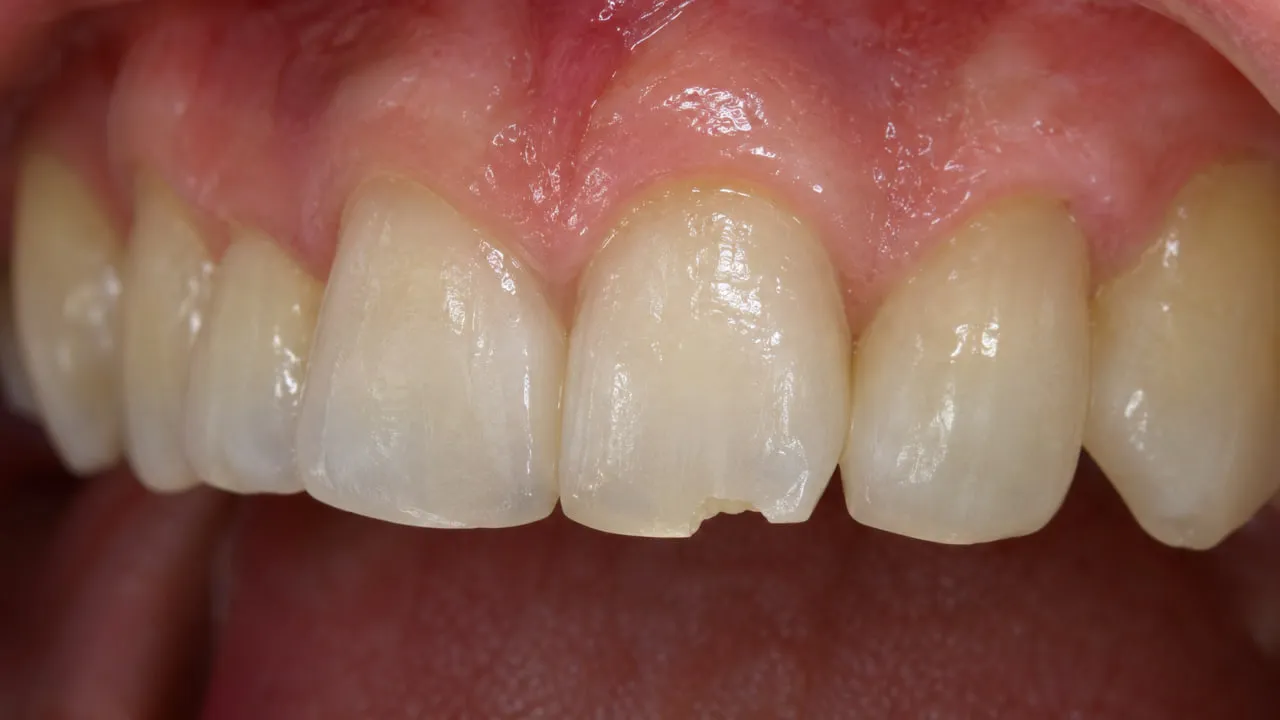
Technique varies with the tooth and the amount of material being added, but a typical procedure can be understood in six stages.
The dentist examines the tooth and bite, then selects a composite shade that blends with the surrounding teeth.
The goal is a close visual match, although natural enamel and composite can reflect light differently.
The tooth surface is cleaned and may be lightly roughened or etched to improve adhesion.
This is one reason bonding should not automatically be described as completely reversible. Even conservative treatment can involve surface conditioning or minor contouring.
A bonding agent is placed on the prepared tooth surface to help the composite attach securely.
The dentist adds the resin, sometimes in several layers or shades, then contours it to create the intended tooth shape.
A curing light is used to harden each layer of composite.
The final shape is refined, the surface is polished, and the dentist checks how the treated tooth contacts the opposing teeth.
A small repair can often be completed during one appointment. Treating several teeth, matching complex shades, rebuilding a larger area, managing decay, or making detailed bite adjustments can require more time.
Appointment length therefore makes more sense as an individual estimate than as a fixed number of minutes.
The dentist can give a better idea once the size and purpose of the repair are clear.
When treatment stays mainly within intact enamel, little or no anesthetic may be needed because extensive tooth reduction is often unnecessary.
The situation changes if decay, a deeper fracture, existing sensitivity, or another restorative procedure is involved. Numbing may then be appropriate.
Temporary sensitivity can also occur afterward. Persistent or increasing sensitivity deserves assessment rather than being assumed to be part of normal bonding.
Bonding is often more conservative than a porcelain veneer because less tooth preparation may be required. That does not make every case fully reversible.
Etching changes the enamel surface, contouring may alter the tooth slightly, and a tooth that was already damaged cannot simply be returned to an untouched original state.
The right alternative depends on what needs to change. Tooth color, position, shape, structural strength, and decay are different problems and should not automatically receive the same treatment.
Bonding usually adds composite to selected parts of a tooth. A veneer covers much more of the visible front surface.
Porcelain generally offers greater stain resistance, while bonding often requires less tooth preparation and can be easier to repair.
For broader surface changes, porcelain or composite veneers may be considered instead. Neither option is automatically better for every tooth.
Whitening changes the color of natural tooth structure. Composite covers or reshapes selected areas but does not bleach along with enamel.
If generalized discoloration is the main concern, professional teeth whitening may be a more direct option.
Treatment order matters. Whitening natural teeth after composite has already been shade-matched can leave the bonded areas looking darker.
A crown covers far more tooth structure and is generally considered when the tooth requires greater structural protection.
Adding composite cannot replace the support of a crown when a significant portion of the tooth has been lost or weakened.
Composite can make a selected gap look narrower or change the apparent shape of a tooth. It does not physically move teeth or correct a significant bite problem.
When tooth position is the underlying issue, orthodontic treatment in Toronto addresses a different problem than adding resin to the tooth surface.
Realistic changes can include rebuilding a chipped edge, smoothing an uneven contour, narrowing a small space, making a short-looking tooth appear more proportionate, or covering selected localized discoloration.
The starting tooth still sets limits.
Adding too much material can make a tooth appear bulky. Composite may also look slightly different under certain lighting, and extensive changes may be better handled with another treatment.
Before-and-after photographs should represent real, consented clinical cases rather than stock-image transformations.

Current Toronto sources publish substantially different fees depending on the type and extent of treatment. Recent provider-posted fees and third-party Toronto estimates place many examples broadly around $300 to $800 per tooth.
That is an indicative planning range, not an official Toronto average and not Dentistry on King's fee. One source may be describing a small chip while another is estimating a larger gap closure or more extensive cosmetic reshaping.
Your written estimate can depend on:
Cosmetic bonding may not be covered by a private dental plan. Composite used to restore decay or damage may be handled differently depending on the diagnosis and the terms of the specific policy.
Dentistry on King is a non-assignment practice. Patients pay the clinic directly, and the team can help submit dental insurance claims. The insurer reimburses the patient after processing. The clinic's new patient information explains its current payment and claim process.
Coverage should be confirmed with the insurer rather than assumed from the type of material being used.

There is no guaranteed lifespan. Published estimates for dental bonding commonly extend from roughly three to ten years, but that range is broad and should not be treated as a promise.
Composite can stain, lose polish, wear, chip, or eventually require repair or replacement.
Longevity depends on factors such as:
A small surface repair on one tooth may behave very differently from composite placed along several biting edges.
Bonded teeth do not require an elaborate separate routine.
Coffee, tea, tobacco, and strongly pigmented foods or drinks can gradually discolor composite. That does not mean they need to be eliminated completely. Regular hygiene and sensible habits are more realistic long-term strategies.
Not every chipped or discolored tooth is purely cosmetic.
Arrange an examination if a chip, small gap, tooth shape, or old bonded area bothers you, or if you are unsure whether composite, whitening, veneers, or another treatment fits the concern.
Seek care sooner after significant trauma or if you notice persistent sensitivity, pain on biting, a sharp or rough fractured edge, a piece of existing composite breaking away, or a change in how your teeth meet.
A chipped, uneven, damaged, or discolored tooth can have more than one treatment option. Dentistry on King can assess the tooth structure, bite, gums, existing restorations, and your goals before discussing which cosmetic or restorative approach may be appropriate.
The clinic is at 5 King St East, Unit C in Downtown Toronto, directly above TTC King Station at Yonge & King.
Call (416) 368-8000 to arrange a dental assessment.
Dentists select composite shades to blend with the surrounding teeth, and multiple shades may be used when needed. A close match is often possible, but resin and natural enamel do not reflect light identically and composite can change color over time.
Often. A small chipped area may sometimes be polished, repaired, or rebuilt with additional composite. The appropriate approach depends on how much material remains, the condition of the underlying tooth, the location of the defect, and why the original material chipped.
Not always completely. Many procedures involve relatively little tooth preparation, making bonding more conservative than treatments such as porcelain veneers. However, etching, contouring, previous damage, or other tooth modification can mean the tooth cannot be returned precisely to its original state.
Yes. Front teeth are common sites for small cosmetic and restorative composite repairs. Suitability depends on the size and location of the defect, the amount of healthy tooth structure, the bite, and the forces placed on the repaired edge.
Composite bonding often has a lower initial per-tooth fee than porcelain veneers. Long-term cost can be different because composite may require polishing, repair, or replacement sooner. The useful comparison is between treatments that can realistically address the same concern.
Several teeth may sometimes be treated in one appointment. The practical number depends on how much work each tooth requires, the amount of reshaping, shade complexity, and how carefully the bite must be adjusted.
It can help with selected small defects, but not every crack is a bonding case. A deeper fracture, pain on biting, significant structural loss, or a weakened tooth requires diagnosis first and may call for a crown or another treatment.
Composite is hardened before the appointment is finished, so routine eating can often resume soon afterward. If local anesthetic was used, wait until normal sensation returns to reduce the chance of biting your cheek or lip. Avoid using bonded edges to bite very hard objects.
Natural enamel can be whitened, but existing composite will not lighten the same way. This can create a shade mismatch. When whitening and bonding are both planned, dentists often consider the sequence so the resin can be matched to the intended tooth color.
Dental bonding does not have one fixed lifespan. Placement, restoration size, bite forces, grinding, diet, oral hygiene, and everyday habits all affect wear. Roughness, persistent staining, visible edges, or chipping may signal that polishing, repair, or replacement should be assessed.