Learn when a gum graft may be needed, explore different grafting techniques, and understand the procedure, recovery, benefits, risks, and costs.

November 15, 2026
A gum graft is one option for treating gum recession, but an exposed root or a gumline that seems to be moving does not automatically mean surgery is necessary. Receding gums can have several causes, including periodontal disease, aggressive brushing, thin tissue, and tooth position. Some cases are monitored, while others need the underlying cause controlled before surgical treatment is considered. When grafting is appropriate, the technique, tissue source, recovery, and expected result depend on what a clinician finds during an examination. This guide explains how soft-tissue grafting is assessed, how the main approaches differ, what recovery can involve, and which cost and aftercare questions are worth asking.
A gum graft is a periodontal soft-tissue procedure used to add tissue, thicken a thin gumline, or cover selected exposed tooth roots. The American Academy of Periodontology describes gum graft surgery as using tissue from the palate or another donor source to cover an exposed root.
Recession and inflammation are different. Recession means the gum margin has moved and exposed more of the tooth or root. Inflamed gums may be red, swollen, or prone to bleeding.
A bone graft is different again because it is intended to rebuild or preserve bone rather than replace missing gum tissue.
Grafting may be considered when recession is progressing, tissue is very thin, an exposed root is sensitive, or the position of the gum creates a functional or cosmetic concern.
Possible contributors include:
Not every receding gum needs surgery. Stable recession may simply be monitored, while inflammation or brushing trauma should usually be addressed before deciding on a surgical approach.
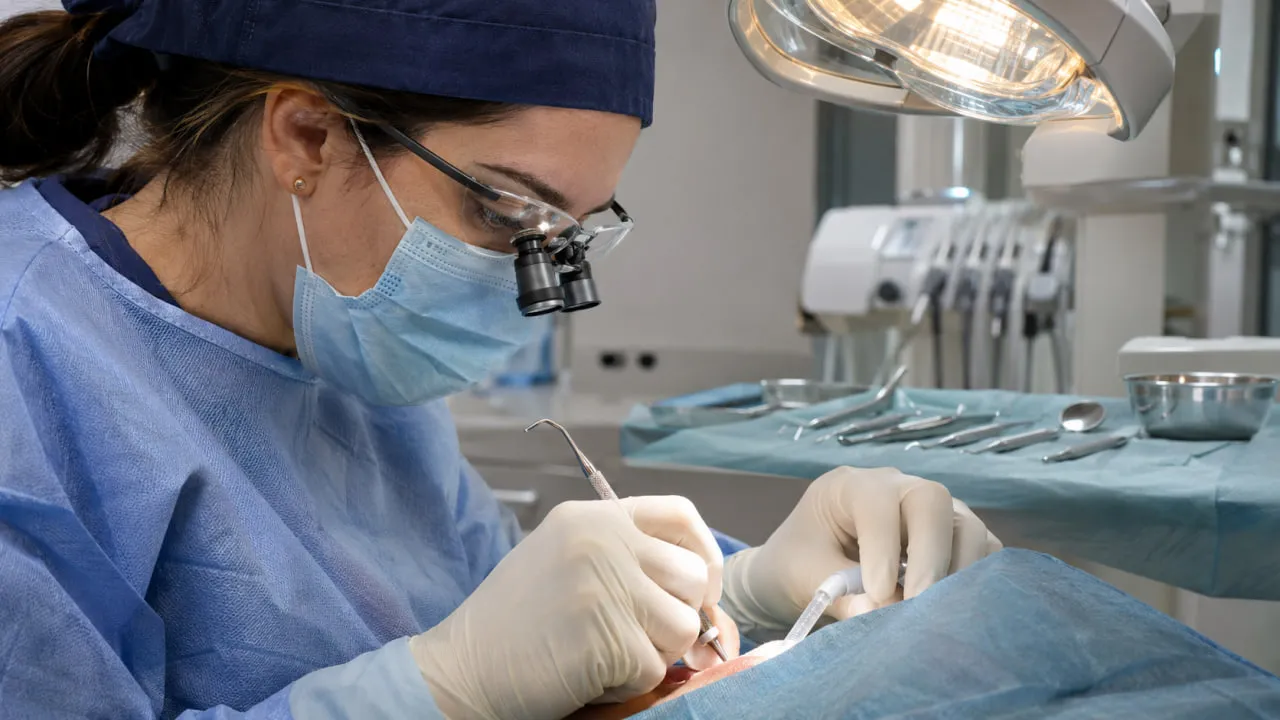
The goal matters. Some procedures focus on covering exposed roots, while others mainly increase tissue thickness.
Tissue is commonly taken from beneath the surface layer of the palate and placed at the recession site. This approach is widely used for root coverage, although the exact technique varies.
A thin piece of tissue is taken more directly from the palate's surface. It may be considered when increasing the amount or thickness of firm gum tissue is the primary goal.
Nearby gum tissue is repositioned over the affected area while remaining partially attached to its original blood supply. Enough suitable tissue must be available beside the recession.
Processed donor material can eliminate the need for a second surgical harvest site on the palate. Its suitability depends on the defect, tissue requirements, and treatment goal.
The Pinhole Surgical Technique uses a small access point to loosen and reposition existing gum tissue toward an exposed root. Collagen material may also be used for stabilization.
Tunneling approaches create limited access beneath the gum and can incorporate graft material.
These are still surgical procedures. They should not be described as universally painless, faster, or equivalent to traditional connective-tissue techniques for every recession pattern.
Planning starts with a gum recession assessment. The clinician may measure recession and periodontal pockets, evaluate tissue thickness and gum health, and investigate what may be causing the recession.
Medical history, medications, smoking or vaping, and previous dental treatment can also affect planning. Active periodontal disease may need treatment first.
The discussion should cover the proposed technique, tissue source, risks, alternatives, appointments, and postoperative instructions. Sedation is not automatically required, and any transportation or fasting instructions depend on the treatment plan.
The details vary by technique, but a general procedure can be understood in five steps:
Local anesthetic is used during treatment to reduce procedural pain. Pressure or movement may still be noticeable.
Once the anesthetic wears off, soreness, swelling, or sensitivity can occur. When tissue is harvested from the palate, the donor area creates a second healing site and can contribute to postoperative discomfort.
Pain varies with the procedure, graft size, number of treated sites, and individual healing. Someone else's recovery is not a reliable forecast for yours.
Potential benefits depend on the treatment goal. They can include:
Complete root coverage is not guaranteed. Grafting also does not cure uncontrolled periodontal disease or ensure that recession can never return.
Possible complications include infection, persistent bleeding, graft movement or loss, incomplete root coverage, unwanted contour or color differences, prolonged sensitivity, and continued recession.
Healing tissue can look pale, white, yellowish, red, or uneven at different stages. Color alone does not indicate failure.
Increasing pain or swelling, pus, fever, heavy bleeding, or tissue that appears to be separating should be assessed by the treating office.

Feeling better and complete tissue healing are not the same milestone.
Recovery varies according to graft type, number of sites, donor site, smoking, health conditions, and surgical extent. Your surgeon's instructions take priority over a general timeline.
Medication recommendations depend on the procedure and medical history. A clinician may recommend pain relief, a prescribed rinse, or other medication when appropriate.
Antibiotics are not automatically needed for every soft-tissue procedure. Do not copy someone else's dosage schedule or change prescribed medication without clinical advice.
Rest and protecting the surgical area can make the first part of recovery easier. Cold compresses may be suggested in selected cases, and medication should be used according to the instructions provided.
Avoid repeatedly touching the area with your fingers or tongue.
Pain, swelling, or fever that becomes worse rather than improving is a reason to contact the treating practice.
A small amount of early oozing or blood-tinged saliva can occur. Heavy, persistent, or recurrent bleeding requires different attention.
Early healing depends on keeping the clot and surgical tissue stable. Avoid vigorous rinsing, forceful spitting, or repeatedly pulling the lip or cheek away to inspect the site.
Follow the specific bleeding and dressing instructions supplied by your surgeon.
Soft, cool, or lukewarm foods can reduce pressure and irritation during early healing. Adequate hydration also matters.
Hard, sharp, crunchy, spicy, and very hot foods may irritate the surgical area. You may also be instructed to chew away from it.
There is no universal day for returning to coffee, alcohol, or a normal diet. Timing depends on the procedure and healing progress.

Untreated teeth can usually continue to be cleaned, but do not brush, floss, or manipulate the surgical site until you are cleared to do so. Use rinses only as directed.
After healing, gentle plaque control becomes important again. Regular professional teeth cleaning and appropriate periodontal maintenance can help control inflammation and identify new changes early.
Avoid repeatedly moving the lip or cheek simply to check how the area looks.
There is no single return-to-work or exercise date. Donor-site soreness, the number of treated areas, sedation, graft stability, and the physical demands of your job can all change the answer.
Someone working in Toronto's Financial District with hours of client meetings may notice a healing palate more than someone working quietly from home.
Strenuous activity and brushing directly around the treated tissue should resume only after clinical clearance. Driving restrictions depend on whether sedation was used.
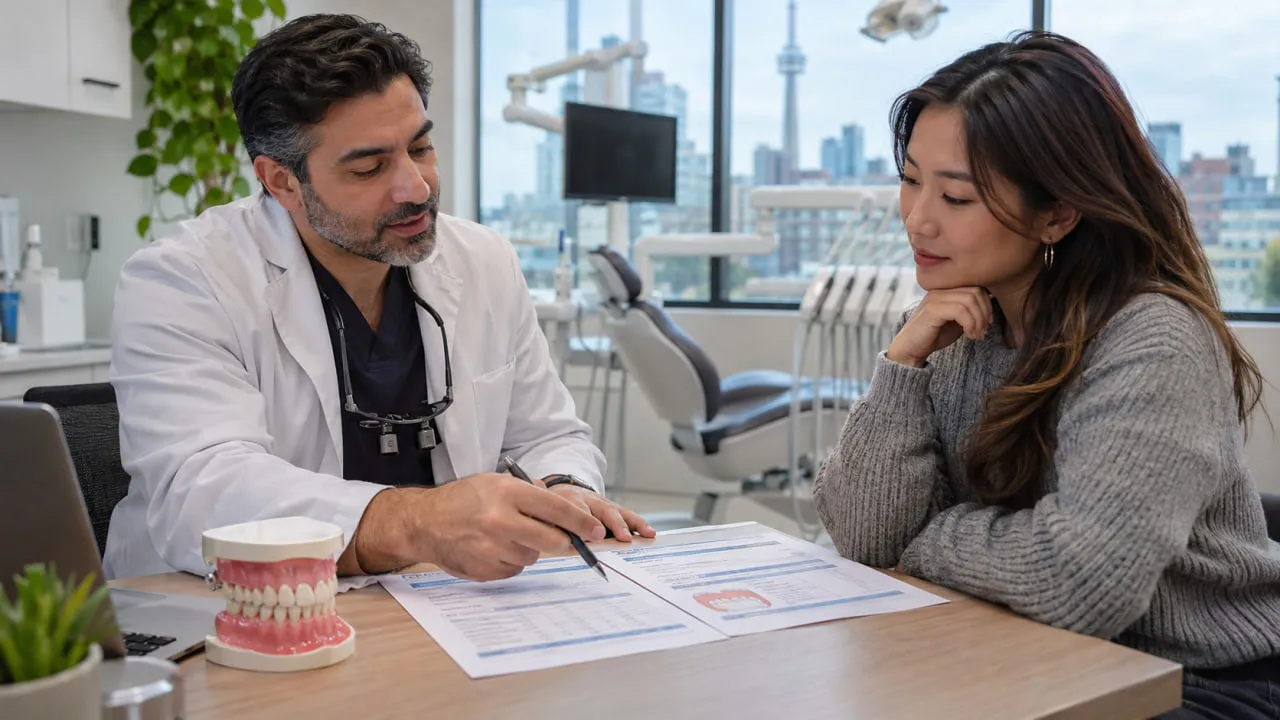
Published Toronto-area provider examples reviewed in November 2026 commonly fall around $900 to $2,500 per treated tooth or site, depending on technique and how the practice structures its fees.
That is an indicative range from other providers, not an official Toronto average and not Dentistry on King's pricing.
Your estimate may depend on:
Dentistry on King is a non-assignment practice. Patients pay the clinic directly, and the team can assist with submitting dental claims. The insurer reimburses the patient after processing. The clinic's new patient information explains its current insurance and payment process.
Coverage varies by plan, so confirm benefits, exclusions, limits, and whether a predetermination is appropriate.
Possibly, without the original treatment necessarily having failed.
Recession can develop at another tooth, contributing factors can continue, or an area may not achieve its original treatment goal. Tissue and oral conditions also change over time.
Gentle brushing, plaque control, appropriate periodontal maintenance, and periodic measurements help identify new changes early.
Visible root exposure, increasing recession, persistent sensitivity, or a noticeable change in the gumline are reasonable reasons to arrange an examination.
After surgery, contact the treating clinician promptly for heavy bleeding, fever, pus, worsening pain or swelling, or concern that the tissue has shifted or detached.
If you are unsure whether the recession is stable or progressing, book a dental assessment rather than deciding whether you need surgery based on appearance alone.
Appointment length depends on the technique, number of sites, tissue source, and complexity. Treating one area may take considerably less time than treating several areas together. Your clinician can estimate the appointment more accurately after examining the recession and planning the procedure.
Possibly, but there is no universal day that applies to everyone. Very hot drinks can irritate early healing tissue. Follow the timing and temperature guidance from your treating clinician, especially if tissue was also harvested from the palate.
Do not use a fixed online timeline to decide when to stop or continue medication. Follow your clinician's instructions and the product label or prescription. If pain is worsening or medication seems necessary longer than expected, contact the treating office.
It can when tissue is harvested from the palate because that creates a second healing site. Donor material and some tissue-repositioning procedures avoid a palatal harvest. The amount of discomfort varies with the procedure and individual healing.
Yes, a healing site can appear white, pale, yellowish, or red at different stages. Color alone cannot determine whether the tissue is healthy or failing. Increasing pain, pus, fever, persistent bleeding, or apparent tissue separation should be reviewed professionally.
Yes, multiple adjacent areas may sometimes be treated during one procedure. The number depends on anatomy, tissue source, technique, surgical extent, and how much recovery is reasonable at once. Some treatment plans are divided into stages instead.
Lost gum tissue generally does not regenerate to its original position on its own. Treating inflammation and changing traumatic brushing habits can help reduce further loss, but stable recession may simply be monitored rather than surgically treated.
Some private dental plans contribute to periodontal procedures, while others have deductibles, limits, exclusions, or different reimbursement percentages. Ask your insurer about the procedure codes on your estimate and whether a predetermination can clarify expected benefits.
The answer depends on the type of recession and treatment goal. Processed donor materials can avoid a palatal harvest, while connective tissue from the patient's palate remains a well-established option for many root-coverage procedures. Your clinician should explain why one is being recommended.
Yes. Recession can recur or appear at other teeth, particularly when contributing factors such as inflammation, traumatic brushing, or unfavorable anatomy remain. Long-term plaque control, gentle brushing, maintenance visits, and periodic measurements help monitor tissue stability.