Bleeding or receding gums? Learn how periodontal disease is diagnosed and treated, from scaling and root planing to surgery, plus 7 questions to ask first.

November 24, 2026
Bleeding when you brush. Gums that look puffy or seem to be pulling back. A dentist who mentions "pockets" at your last checkup. These are common reasons people start reading about periodontal disease treatment, and the options can sound more alarming than they need to.
Here's the short version: gum disease is very treatable, especially when it's found early. Gingivitis can usually be reversed. Periodontitis can't be undone, but it can often be controlled so you keep your teeth. This guide walks through how gum disease is diagnosed, the nonsurgical and surgical options, what recovery and maintenance look like, and seven questions to ask before you start treatment.
Periodontal disease is inflammation or infection of the tissues that hold your teeth in place: the gums, the ligaments that attach teeth to bone, and the jawbone itself (Government of Canada).
Healthy gums are firm, pink and fit snugly around each tooth. Gum disease ranges from mild, reversible inflammation (gingivitis) to destructive disease that breaks down the support around teeth (periodontitis). Early symptoms can be subtle or absent, so the right periodontal treatment depends on what a dentist finds during an exam, not on symptoms alone.
Gingivitis is inflammation of the gums only. They may be red, swollen or bleed when you brush, but the bone and attachment around the teeth are still intact. With professional cleaning and good daily care, gingivitis can usually be reversed.
Periodontitis is what happens when inflammation spreads below the gumline and starts to destroy the attachment and bone that support the teeth. Gaps called periodontal pockets form between the gums and teeth, trapping more bacteria.
Periodontitis is often described in stages:
These periodontal disease stages are a general guide. Your dentist assigns a stage based on clinical measurements and X-rays. Importantly, brushing alone won't reverse attachment or bone loss that has already happened.
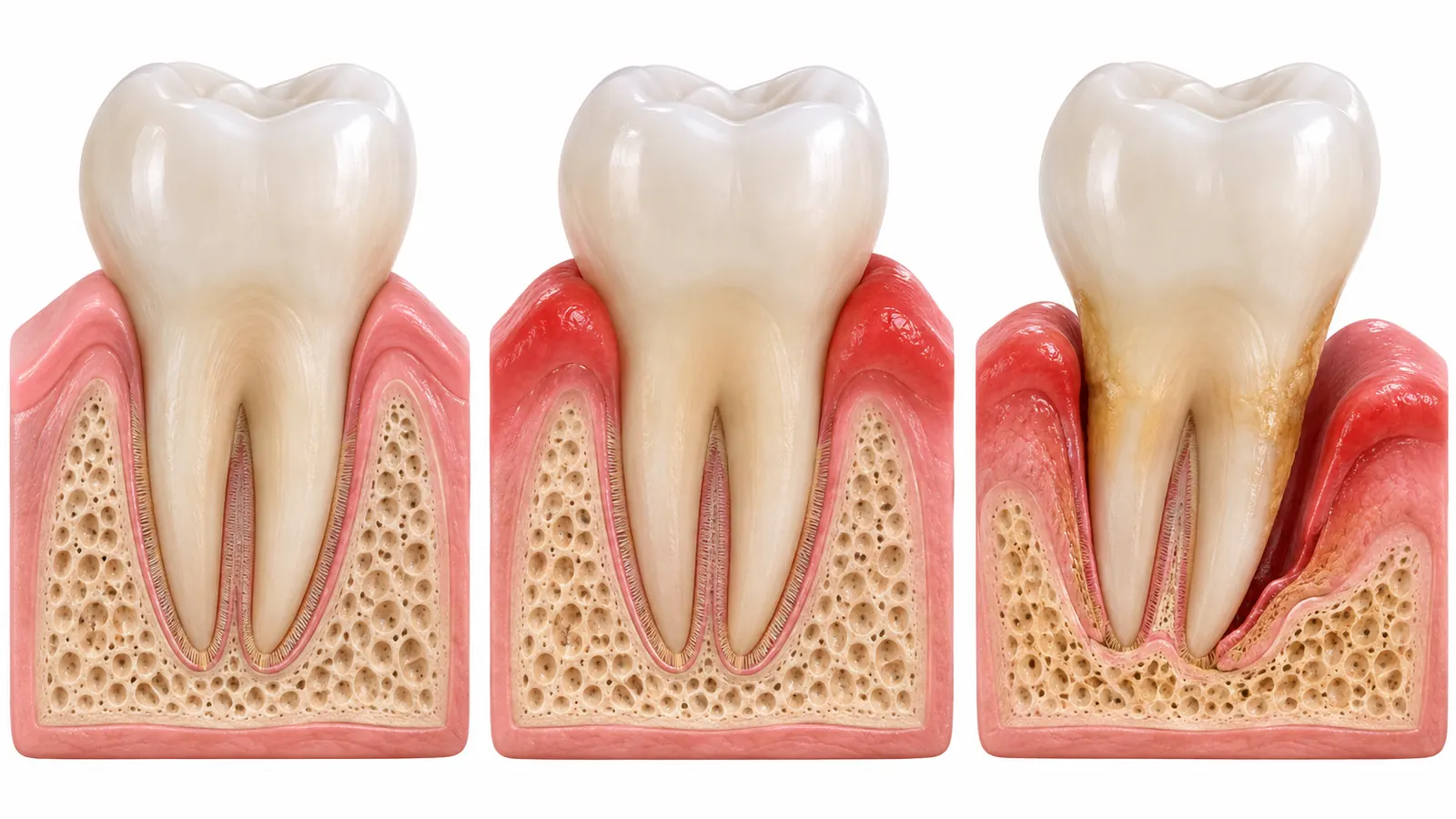
The main driver is dental plaque: a sticky film of bacteria that forms on teeth every day. If it isn't removed, it hardens into tartar (calculus), which you can't brush off. The body's inflammatory response to these bacteria is what damages the gums and, over time, the bone.
Once tartar builds up beneath the gumline, it needs professional removal. Poor oral hygiene is a major factor, but not the only one. Some people develop gum disease despite good habits, and not every case of swollen gums means advanced disease.
Risk factors don't cause gum disease on their own, but they make it more likely or harder to control:
People without any of these can still develop periodontal disease, so regular exams matter for everyone.
Watch for:
Gum disease is often painless until it's advanced. A photo online or a single symptom can't tell you how serious it is. A general dental examination can.
Left untreated, periodontitis can cause:
Research has linked gum disease to conditions such as diabetes and heart disease. These links are still being studied, and gum disease hasn't been shown to directly cause them. What's clear is that the oral effects are real and get harder to treat the longer they go on, which is why timely assessment matters.
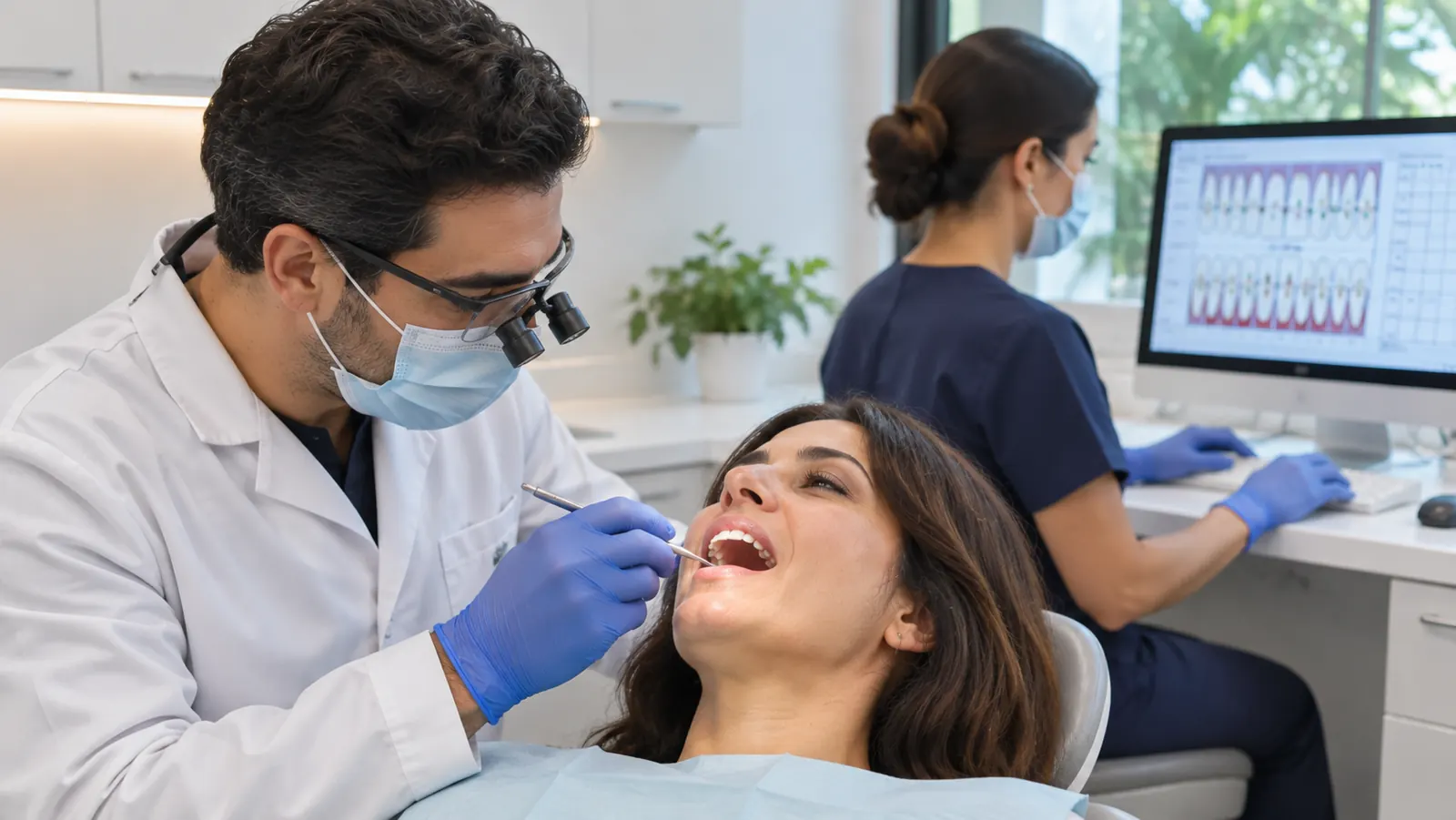
A periodontal assessment usually includes:
Diagnosis and staging come from these measurements together. Symptoms alone aren't enough.
It depends on the stage.
In selected cases, regenerative surgery can rebuild some lost bone or attachment. It doesn't bring back all lost tissue, and it isn't suitable for every situation.
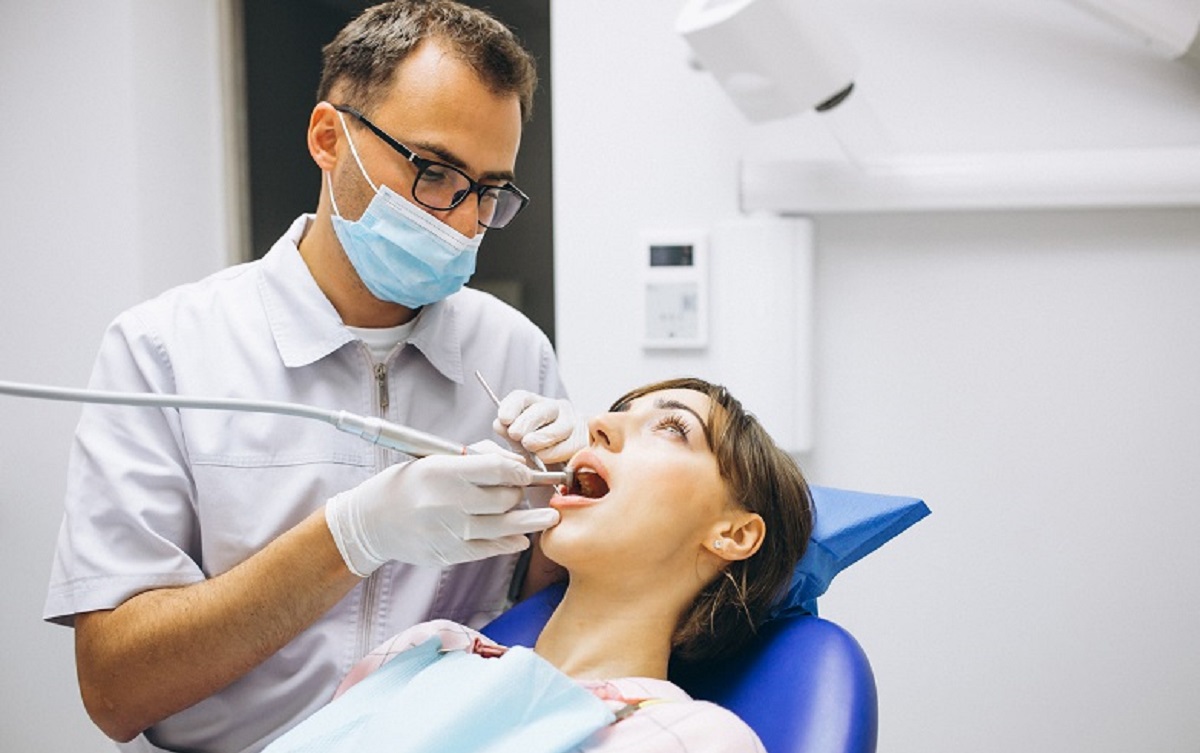
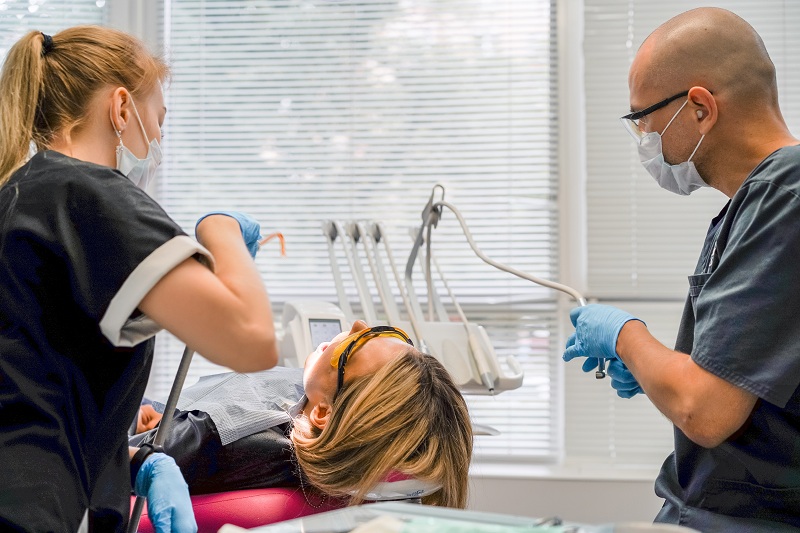
For most people, periodontal treatment starts with nonsurgical periodontal therapy: a thorough professional cleaning that removes plaque and tartar above and below the gumline so inflamed tissue can heal.
In some cases, your dentist may also recommend antimicrobials, such as a medicated rinse, an antibiotic placed directly into a pocket, or oral antibiotics. These are add-ons for specific situations, not substitutes for removing deposits, and many patients don't need them.
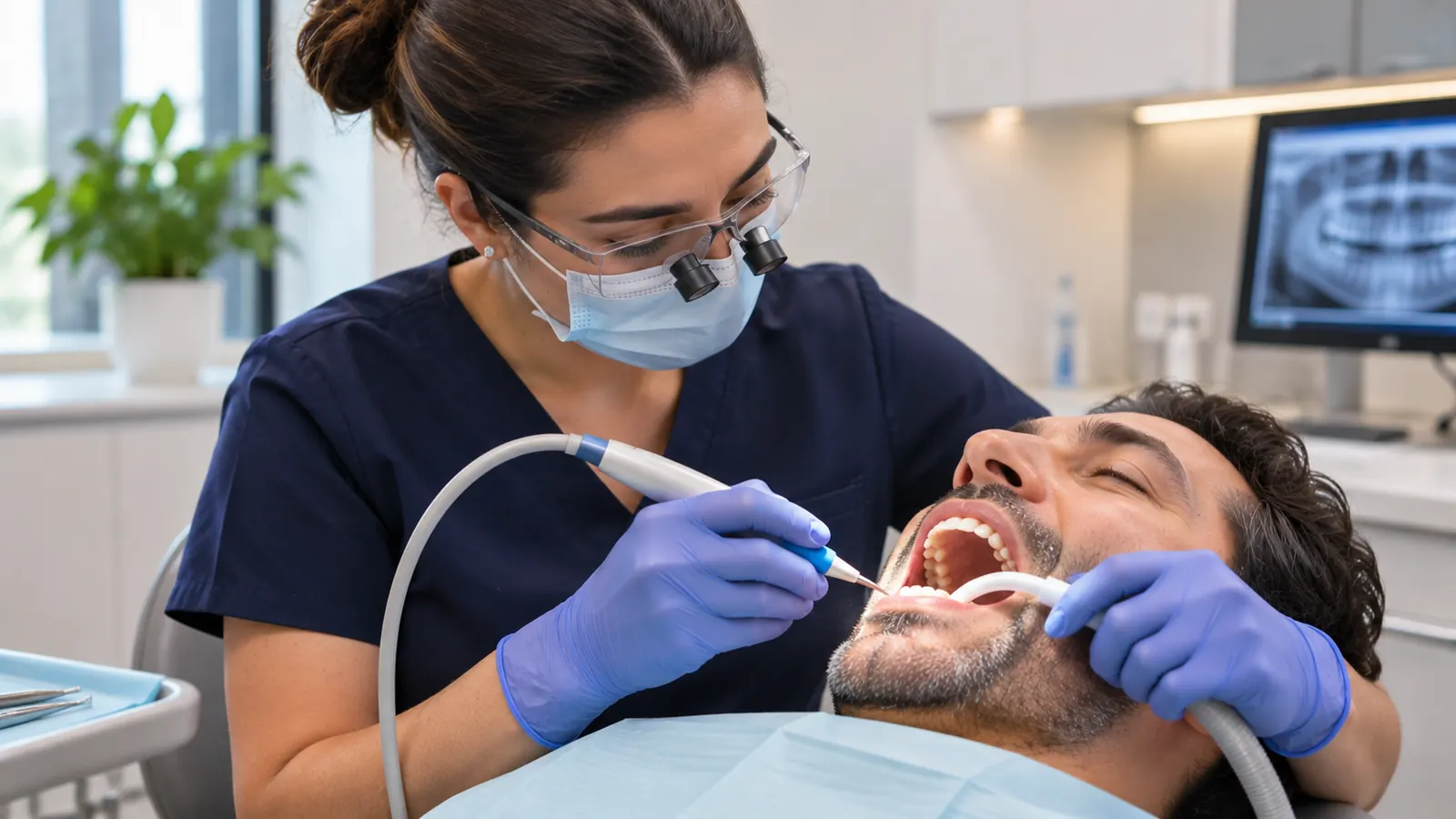
Scaling and root planing, often called a deep dental cleaning, is the core of nonsurgical gum disease treatment:
Local anaesthetic (freezing) is often used for comfort. Treatment may be done one area at a time over more than one appointment, depending on how much needs to be treated. A few weeks later, your dentist re-measures your pockets to see how the gums have responded.
This is different from a routine preventive cleaning, which focuses on the visible tooth surfaces and the area just at the gumline. Results vary from person to person, and pocket depths don't always shrink as much as hoped, which is why reassessment matters.
If deep pockets remain after initial therapy, pocket reduction surgery (sometimes called flap surgery) may be considered. The gum is gently folded back so the roots can be cleaned thoroughly, any uneven bone may be smoothed, and the tissue is repositioned to reduce the pocket.
Whether surgery is recommended depends on your pocket depths, bone levels and how you responded to nonsurgical treatment. As with any surgery, there are benefits and risks, such as sensitivity or more visible tooth roots afterwards, to discuss first.
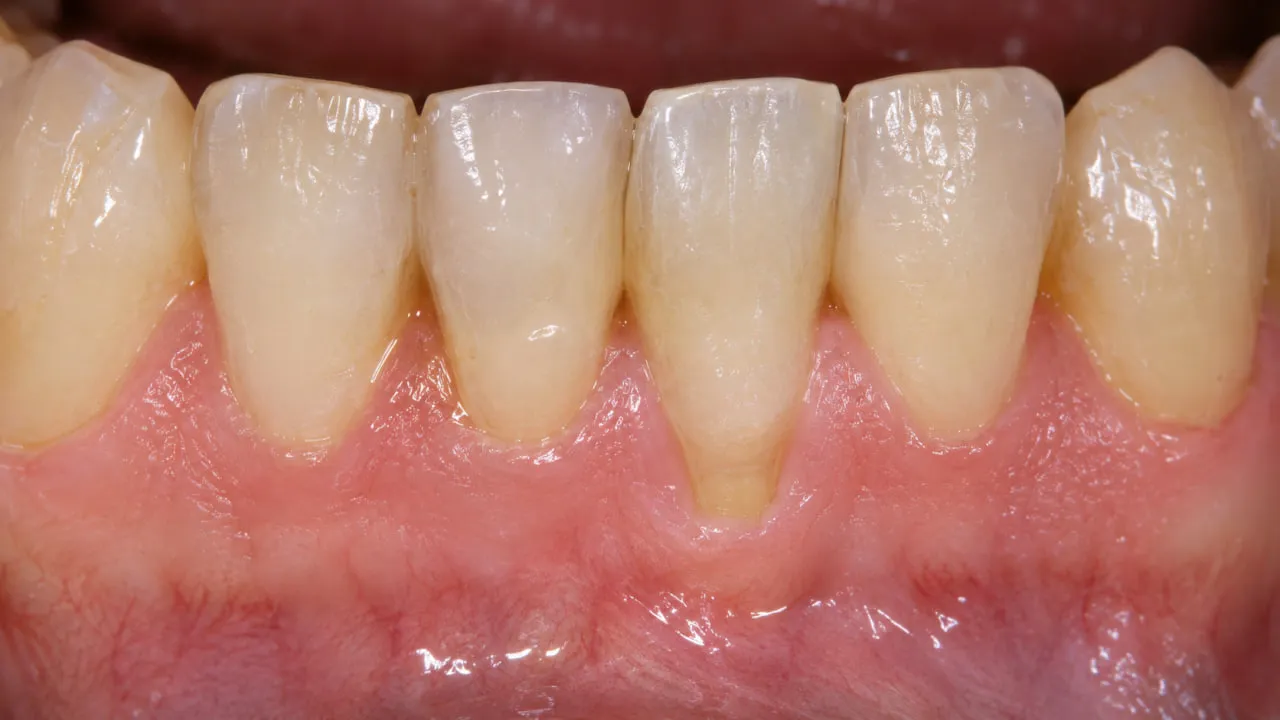
Gum grafting may be considered when gums have receded, roots are exposed, or the gum is too thin to stay stable. Tissue, often taken from the roof of the mouth or from a donor source, is placed to thicken the gum or cover exposed roots.
A graft can reduce sensitivity and protect roots, but it doesn't treat the infection behind periodontitis. That has to be controlled first. Root coverage results also vary, so full cosmetic coverage isn't guaranteed.
Regenerative periodontal procedures aim to help the body rebuild some of the bone and tissue lost to periodontitis. Options include bone grafting, guided tissue regeneration (a barrier membrane that gives bone room to grow) and proteins that support healing.
How well these work depends on the shape and size of the bone defect, the long-term outlook for the tooth and careful case selection. Some regeneration is possible in the right defects; complete regeneration is not routine.
Laser periodontal therapy uses a dental laser to help remove inflamed tissue and bacteria. It may be used alongside or, in some cases, instead of conventional techniques. Outcomes depend on the situation, and current evidence hasn't shown that lasers consistently outperform scaling and root planing or conventional surgery. If a laser is suggested, ask why it's the best option for your case.
A periodontal abscess is a pocket of infection in the gum next to a tooth. It can cause sudden swelling, pain, a bad taste or pus, and sometimes a loose tooth.
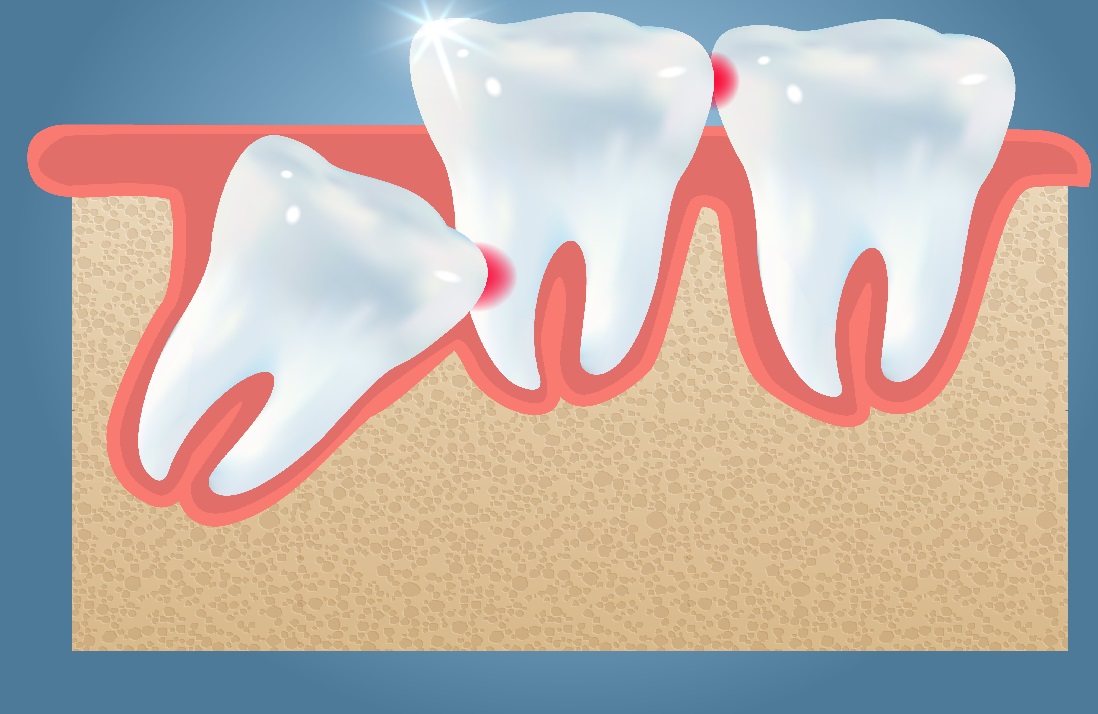
An abscess needs prompt professional care. Treatment may include draining the infection, cleaning the pocket and, in some cases, antibiotics, followed by treatment of the underlying gum disease. Don't try to drain it yourself. A periodontal abscess isn't the same as an infection around a partly erupted wisdom tooth (pericoronitis), so a proper diagnosis matters.
If you have gum swelling, call us for an urgent dental assessment. If swelling is spreading toward your eye or neck, or you have a fever, or trouble breathing or swallowing, go to the nearest emergency department or call 911.
After scaling and root planing, it's common to have some tenderness, sensitivity to hot and cold, or slight bleeding for a few days. Typical advice includes:
Aftercare following periodontal surgery is more specific and comes from your treating dentist or periodontist. Follow those instructions rather than a general list.
Once active treatment is done, periodontal maintenance keeps things stable. These are cleanings and re-evaluations scheduled more often than standard checkups, with the interval based on your pocket depths, inflammation, risk factors and how severe the disease was.
Maintenance is the best way to catch any return of disease early. It lowers the risk of progression, but it can't guarantee the disease will never come back.
Good daily habits make a real difference:
Home care is essential for prevention and maintenance, but it can't remove hardened tartar below the gumline or treat existing periodontitis. That takes professional care.

With appropriate treatment and maintenance, many people stabilize their gum disease and keep their teeth for years. Early treatment generally leads to simpler care and better results.
Outlook varies from person to person. It depends on how advanced the disease was, how each tooth responds, ongoing home care, smoking and overall health. Lost bone usually doesn't grow back on its own, but affected teeth don't automatically need to be removed either.
Book an exam if you notice:
Call promptly if you have significant gum swelling, pus, a fever or swelling that's spreading.
Bring these to your assessment:
Concerned About Bleeding or Receding Gums?
Persistent gum bleeding, swelling or recession may need a dental examination. Call Dentistry on King in Downtown Toronto to discuss your symptoms and arrange an assessment of your gum health and treatment options.
5 King St East, Unit C, Toronto
Gum disease isn't considered contagious like a cold. The bacteria involved can be passed through saliva, but whether someone develops gum disease depends mainly on their own plaque control, immune response and risk factors.
Very common. Gum disease affects a large share of adults, and the risk increases with age. Because early stages often cause no pain, many people don't know they have it until a dentist checks.
There's no fixed timeline. With treatment and regular maintenance, many people keep their natural teeth for many years, often for life. Teeth with very advanced bone loss have a less predictable outlook. Your dentist can give you a tooth-by-tooth assessment.